
In the world of men’s style, “fit” is king, but fabric is the soul of the garment. The material you choose dictates not only how you look but how you feel, how the clothes drape, and how you survive the changing seasons.
Whether you are building a professional wardrobe or a weekend casual collection, understanding these four powerhouse fabrics—Linen, Flannel, Seersucker, and Twill—is essential.
1. Linen: The Ancient King of Summer
Linen is one of the world’s oldest textiles, derived from the fibers of the flax plant. It is the gold standard for hot-weather dressing.
Characteristics & Weave
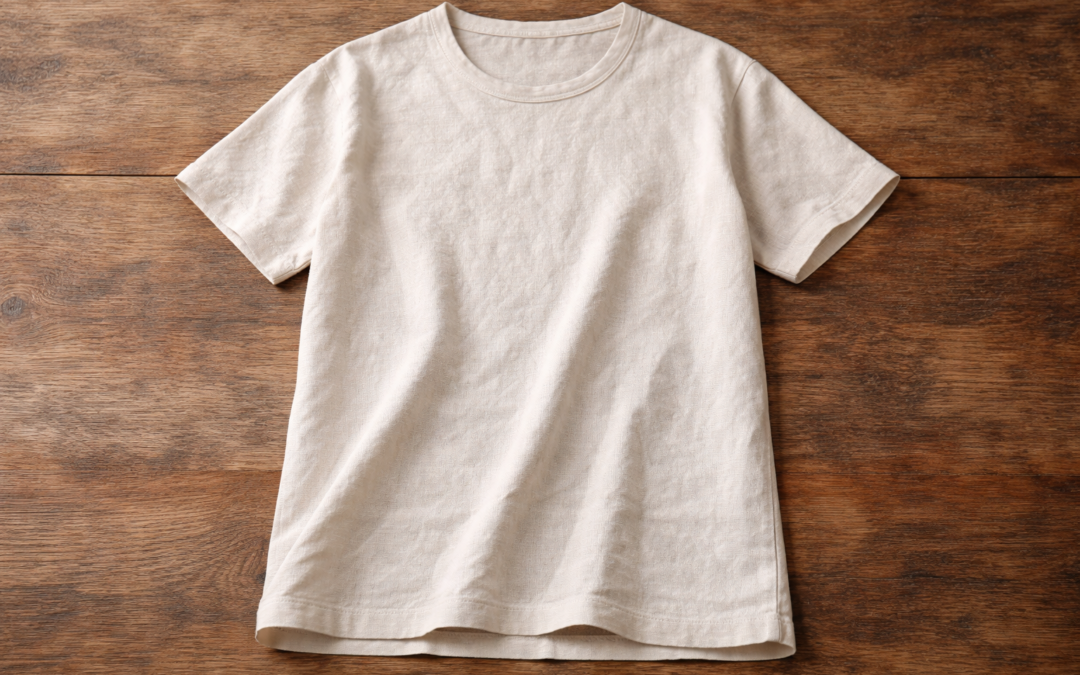
Linen is known for its highly breathable, open weave. The fibers are thick but spaced out, allowing maximum airflow to the body. It is highly absorbent and dries much faster than cotton, making it perfect for humid climates.
The Style Profile
- The “Linen Look”: It is famous for its tendency to wrinkle. In high-end menswear, these wrinkles are seen as a sign of “nonchalance” or sprezzatura.
- Best For: Summer suits, button-down shirts, and drawstring trousers.
- Pro Tip: If you hate heavy wrinkling, look for a Linen-Cotton blend. You get the cooling properties of linen with the structural integrity of cotton.
2. Flannel: The Winter Essential
When the temperature drops, flannel becomes the MVP of the closet. Originally made from carded wool, most modern flannels are now made from soft-brushed cotton.
Characteristics & Weave
The defining feature of flannel is its “nap.” During production, the fabric is brushed with metal brushes to raise the fine fibers, creating a soft, fuzzy surface. This process traps air, which acts as a natural insulator to keep you warm.
The Style Profile
- Versatility: Flannel isn’t just for “lumberjack” plaid shirts. A grey wool flannel suit is a cornerstone of classic menswear, offering a matte, textured alternative to shiny worsted wool.
- Best For: Over shirts, heavy trousers, and winter blazers.
- Maintenance: Because of the nap, flannel can “pill” (form small lint balls) over time. Use a fabric shaver to keep it looking sharp.
3. Seersucker: The Engineered Cooler
Seersucker is a true feat of textile engineering. Originating from the Persian words shîr and shakar (milk and sugar), it refers to the alternating smooth and bumpy textures of the cloth.
Characteristics & Weave
Seersucker is made using a “slack-tension” weave. Some warp threads are held tight while others are loose, creating a permanent puckered effect. This puckering is functional: it holds the fabric away from the skin, creating extra space for air to circulate.
The Style Profile
- Visual Signature: Traditionally seen in blue and white stripes, though modern versions come in solid navy or olive.
- The No-Iron Advantage: Because it’s already puckered, seersucker never needs to be ironed. It is the ultimate travel fabric for tropical destinations.
- Best For: Summer weddings, garden parties, and lightweight shorts.
4. Twill: The Durable Workhorse
Twill is not a fiber (like cotton or wool) but a specific method of weaving. If you are wearing chinos or denim right now, you are wearing twill.
Characteristics & Weave
Twill is identified by its diagonal ribbing. The horizontal threads (weft) are woven over one or more vertical threads (warp) in a staggered pattern. This creates a very dense, durable, and stain-resistant fabric.
The Style Profile
- The Foundation: Twill has a beautiful “drape,” meaning it follows the lines of your body without clinging. It is heavier and more formal than plain-weave cotton.
- Varieties: Denim, Gabardine, and Cavalry Twill are all variations of this weave.
- Best For: Trench coats, Chinos (khakis), and formal dress shirts (often called “Royal Twill”).
🕒 When to Wear What? (A Quick Summary)
| Fabric | Season | Vibe | Durability |
| Linen | Summer | Relaxed / Mediterranean | Medium (Wrinkles easily) |
| Flannel | Winter | Cozy / Rugged / Classic | High (Warmth focus) |
| Seersucker | Summer | Preppy / Functional | High (No-iron) |
| Twill | All Year | Professional / Practical | Very High (Workwear/Chinos) |
Final Thoughts
Choosing the right fabric is about environmental awareness. Don’t wear a heavy Twill shirt to a beach wedding, and don’t expect a Linen blazer to keep you warm in a drafty office. By mastering these four fabrics, you ensure that your wardrobe is functional, comfortable, and stylish no matter the forecast.
